


Learn all about debt to income ratio, how to calculate yours, and why this important number matters when you apply for loans and credit.
When you apply for a loan, lenders look at many factors to understand your financial situation. One of the most important numbers they consider is your debt to income ratio, often called DTI. This simple calculation helps lenders determine if you can comfortably manage additional monthly payments.
Your DTI compares how much you owe each month to how much you earn. It gives lenders a quick snapshot of your financial health and helps them assess risk. Understanding your own DTI can help you make smarter borrowing decisions and improve your overall financial wellness.
Whether you're considering a personal loan, mortgage, or any other type of credit, your debt to income ratio plays a crucial role in the approval process. Let me walk you through everything you need to know about this important financial metric.
What is Debt to Income Ratio?
Your debt to income ratio is a personal finance metric that shows the relationship between your monthly debt payments and your monthly gross income. Think of it as a percentage that represents how much of your income is already committed to debt obligations each month. Lenders use this number to gauge whether you have enough breathing room in your budget to take on additional debt payments.
There are actually two types of DTI that lenders may consider. The front-end ratio focuses specifically on housing costs, including your mortgage payment, property taxes, and insurance. The back-end ratio includes all your monthly debt obligations, such as credit card payments, auto loans, student loans, and any other recurring debt payments. Most lenders pay closer attention to the back-end ratio since it provides a more complete picture of your financial commitments.
How to Calculate Your DTI
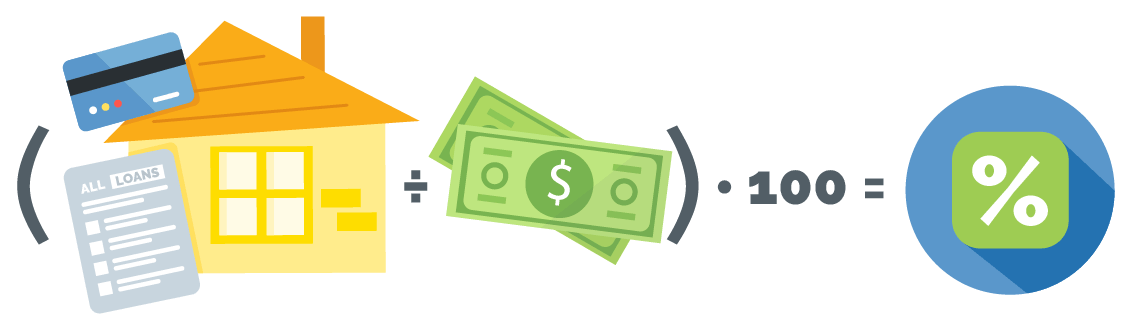
Calculating your debt to income ratio is straightforward mathematics that anyone can do. First, add up all your monthly debt payments, including minimum credit card payments, auto loans, student loans, personal loans, and any other recurring debt obligations. If you have a mortgage or rent payment, include that as well. This total represents your monthly debt burden.
Next, determine your gross monthly income, which is your income before taxes and other deductions. If you have multiple income sources, include all regular earnings. Then, divide your total monthly debt payments by your gross monthly income. Multiply that result by 100 to convert it to a percentage.
(Total Monthly Debt Payments / Gross Monthly Income ) x 100 = Debt to Income Ratio Percentage
For example, if your monthly debt payments total $1,500 and your gross monthly income is $5,000, your DTI would be 30 percent.
Why Your DTI Matters to Lenders
Lenders use your debt to income ratio as a key indicator of your ability to manage monthly payments and repay borrowed money. A lower DTI suggests you have a good balance between debt and income, which makes you a less risky borrower. A higher DTI indicates that a large portion of your income is already dedicated to debt payments, which could make it challenging to handle additional financial obligations.
Different types of loans have different DTI requirements. Mortgage lenders typically have stricter standards, often preferring a DTI of 36 percent or lower, though some programs may allow up to 43 percent. Personal loan lenders and credit card companies may have more flexible requirements, but they still consider your DTI when making approval decisions. Understanding these thresholds can help you determine when you might need to pay down existing debt before applying for new credit.
Improving Your Debt to Income Ratio
If your DTI is higher than you'd like, there are several strategies you can use to improve it. The most direct approach is to pay down existing debt, which reduces your monthly obligations. You might focus on paying off smaller debts first to quickly reduce the number of monthly payments, or tackle higher-interest debts to save money on interest charges over time.
Another way to improve your DTI is to increase your income. This might involve asking for a raise, taking on additional work, or starting a side business. Even a modest income increase can make a significant difference in your ratio. You could also avoid taking on new debt while you work on improving your ratio, as additional borrowing would increase your monthly payments and potentially worsen your DTI.
Common DTI Misconceptions
Many people confuse debt to income ratio with credit utilization, but these are different financial metrics. Your credit utilization ratio measures how much of your available credit you're using, while DTI compares your debt payments to your income. Both are important to lenders, but they measure different aspects of your financial health.
Another common misunderstanding is that DTI includes all monthly expenses. Your debt to income ratio only includes debt payments, not expenses like groceries, utilities, or entertainment. This distinction is important because it means reducing your grocery bill won't directly improve your DTI, though it might free up money that you could use to pay down debt.
Conclusion
Your debt to income ratio is one of the most important numbers in your financial profile when it comes to borrowing money. Understanding how to calculate it and what it means can help you make informed decisions about when to apply for credit and how much debt you can reasonably handle. Remember that different lenders have different DTI requirements, so it's wise to know your ratio before you apply.
The key takeaways are simple: keep your DTI as low as possible by managing existing debt responsibly and avoiding unnecessary borrowing. If your ratio is higher than ideal, focus on paying down debt or increasing your income before applying for additional credit. By maintaining a healthy debt to income ratio, you'll be in a better position to qualify for loans when you need them and manage your financial obligations comfortably.
This content is for informational purposes only and does not constitute financial or legal advice. Loan products, terms, amounts, rates, fees, and funding times may vary by state and applicant qualifications. All loans are subject to approval and verification under applicable law. Check City is a licensed lender in each state where it operates. Loans are intended for short-term financial needs only. Please borrow responsibly.


