


Learn how to start a zero-based budget, stay on track with your spending, and feel more in control of your money each month.
If budgeting feels confusing or never seems to stick, you’re not alone. A zero-based budget is one way to create a plan for every dollar without needing to earn more money first. It focuses on how you spend, not just how much you make.
In this guide, we’ll break down what a zero-based budget is, how to start one, and why it might help you feel more confident when managing your money.
What is a Zero-Based Budget?
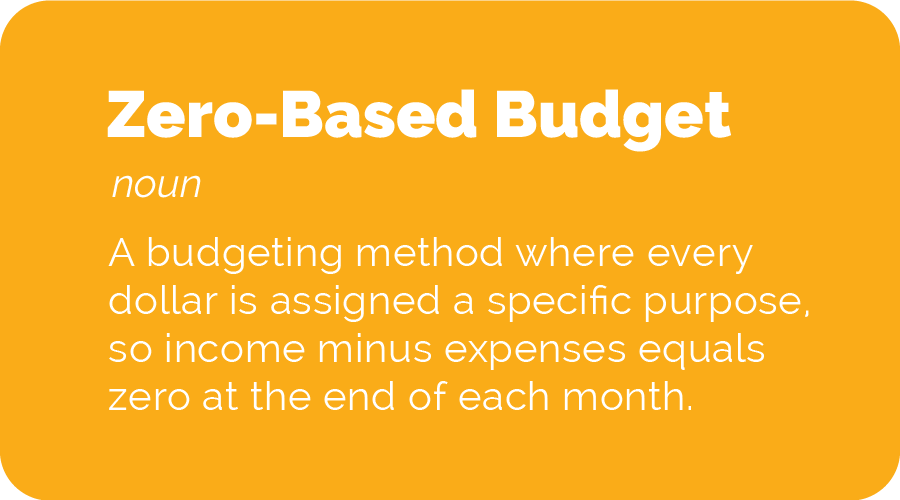
A zero-based budget is when you give every dollar a purpose. That means your income minus your expenses should equal zero by the end of the month. Don’t worry, that doesn’t mean you spend all your money. It just means you actively decide where your money goes, like savings, bills, or that birthday gift you’ve been meaning to buy.
Unlike other budgeting methods that might leave “leftover” money sitting unassigned, zero-based budgeting makes sure you know what’s happening to every dollar that comes in.
Why a Zero-Based Budget Feels So Different
Maybe you’ve tried one of those “50/30/20” rules or tracked expenses in a spreadsheet. Those can work, but a zero-based budget adds something different: structure.
It helps answer questions like:
- How much do you really need for groceries this week?
- Can you afford that concert ticket without skipping rent?
- What if you want to build an emergency fund but don’t know where to pull money from?
With zero-based budgeting, you stop guessing and start planning, all the way down to the last dollar.
How to Start a Zero-Based Budget
Step 1: Know Your Total Income for the Month
Start with what comes in after taxes every month. That might be your paycheck, side hustle money, child support, or any other reliable income. Be honest and realistic. If your freelance work changes month to month, go with the lower average to be on the safe side.
Let’s say you bring in $3,000. That’s your budget to work with, and every dollar gets assigned before the month begins.
Step 2: List All of Your Expenses (Yes, All of Them)
This is where the real magic happens. Grab a notebook, open up a money app, or use a spreadsheet. List everything you pay for each month, including:
- Rent/mortgage
- Utilities
- Food
- Transportation
- Subscriptions
- Debt payments
- Savings
Include irregular expenses too! If you only buy dog food every 2 months, plan some of that cost in both months. If you’re saving for holiday gifts, divide your total holiday spending goal by the number of months left and add it as an expense.
Step 3: Assign Every Dollar Purposefully
This is where zero-based budgeting shines. You start subtracting your listed expenses from your total income until the remainder hits zero. It’s like putting together a puzzle where the last piece fits perfectly.
Say your income is $3,000 and your expenses total only $2,700. Decide where that remaining $300 goes. Right into savings? Toward debt? A birthday dinner?
This process forces you into intentionality, which is where many budgets fall apart, with “extra” money that drifts into random spending.
Step 4: Adjust As You Go
Even the most carefully planned budget might need to shift a little mid-month. That’s normal! If your car needs a surprise repair and you didn’t plan for it, move some money around. Pull from non-essential categories or planned savings to cover it.
The flexibility of a zero-based budget comes from knowing where money can move without going over your total income.
Zero-Based Budget Example
Let’s put it into a quick sample layout. Say you bring in $3,000 each month. Here’s how you might break it down:
- Rent: $1,000
- Utilities: $200
- Groceries: $400
- Transportation: $150
- Debt Repayment: $300
- Savings: $250
- Emergency Fund: $150
- Subscriptions: $50
- Miscellaneous/Personal: $200
- Fun/Entertainment: $100
- Giving/Charity: $200
Total: $3,000
Boom. Every dollar did something.
Common Mistakes with Zero-Based Budgets
A few bumps can pop up when you’re just starting. Let’s talk about what to avoid:
- Skipping categories: Forgetting to budget for things like gifts, car registration, or clothing can throw off your numbers later.
- Not updating monthly: Your bills and payments can change, so revisit the numbers before each new month.
- Being too strict: Life happens. If your plan is too tight to handle a few surprises, it can start to feel frustrating. Don’t forget to include a little cushion or flexible spending line.
Zero-Based Budget vs Envelope System
You might’ve heard about the envelope method, where you use cash in envelopes for each spending category. The idea is similar: assign every dollar. But the envelope method focuses more on physically separating your dollars, while zero-based budgeting focuses on assigning them in your plan.
You can use cash envelopes along with your zero-based budget if that helps you stick to it, especially for things like food and fun money.
Benefits of Using a Zero-Based Budget
If you feel stressed watching money come and go, a zero-based budget might help. Here’s why people like it:
- More control over spending
- Helps avoid impulse purchases
- Encourages saving on purpose
- Can prevent overspending
- Makes irregular expenses easier to prepare for
Financial apps and digital tools can also work great with zero-based budgeting. Some folks use them to track their categories and move things around faster when plans change.
Can You Use Zero-Based Budgeting if Your Income Varies?
Yes, but with a twist. When income changes each month, try using your lowest recent month as the base. Then if you get more, give that extra income a job (like sending it to savings or sinking funds).
This lets you create a predictable baseline while still adapting when things change.
Conclusion: Time to Put Your Budget in the Driver’s Seat
The zero-based method isn’t about doing math perfectly. It’s about clarity. You might be surprised how peaceful money feels when it all has a home. When you know exactly what’s going where, decision-making gets simpler.
Key takeaways:
- A zero-based budget assigns every single dollar to a category.
- It helps you control spending, save intentionally, and prep for irregular costs.
- Income changes month to month? You can still use this system by starting with the minimum you expect.
- It’s flexible, personal, and builds some serious budgeting confidence.
Think of your zero-based budget as your money GPS. You’re telling your money where to go on purpose.
This content is for informational purposes only and does not constitute financial or legal advice. Loan products, terms, amounts, rates, fees, and funding times may vary by state and applicant qualifications. All loans are subject to approval and verification under applicable law. Check City is a licensed lender in each state where it operates. Loans are intended for short-term financial needs only. Please borrow responsibly.


